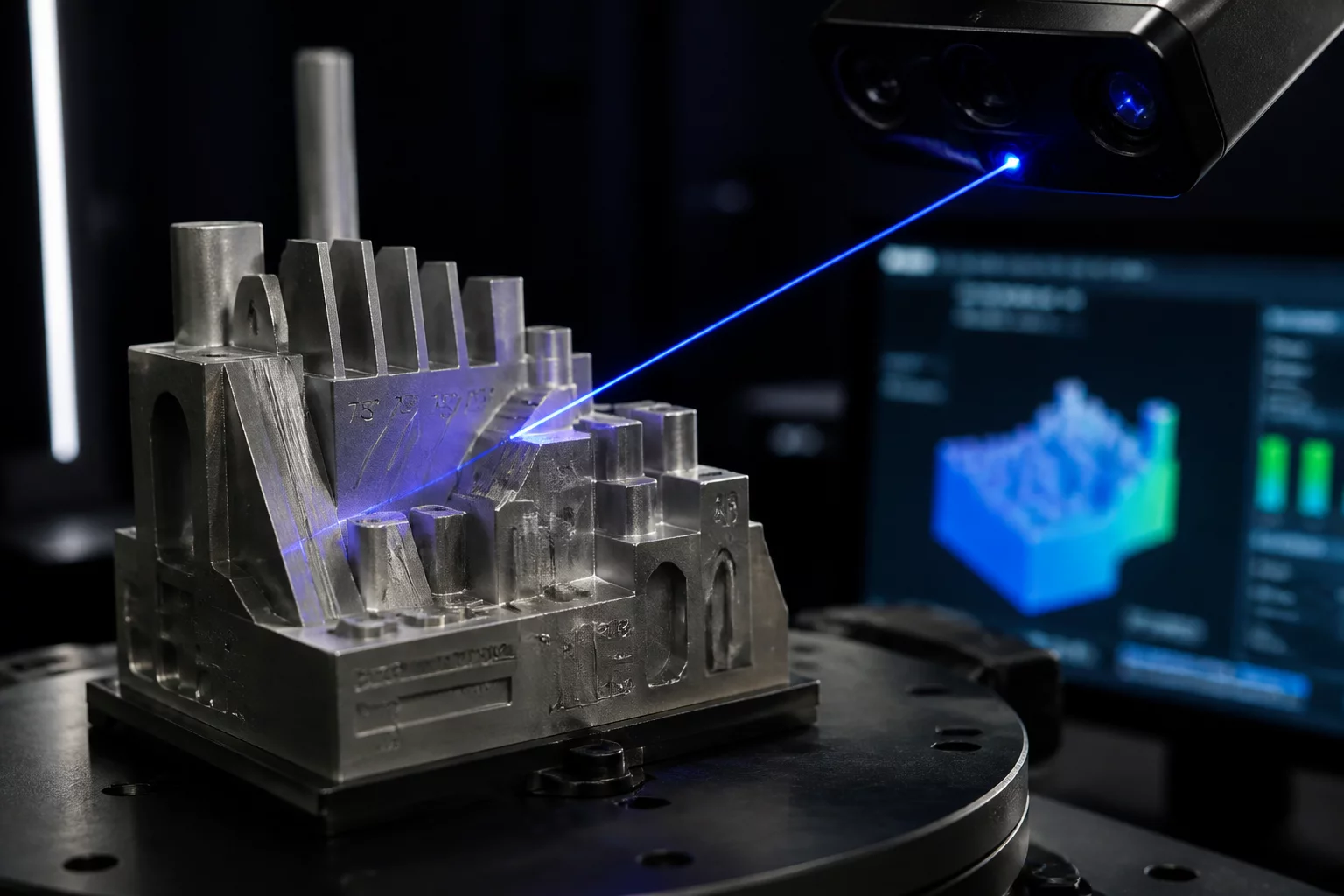
The latest release from the NIST Additive Manufacturing Benchmark (AM-Bench) program introduces a new level of precision to the tracking of process-structure-property relationships in metal 3D printing. This series focuses on the validation of physics-based models through rigorous experimental data, particularly concerning the residual stress and phase transformation during the solidification of complex alloys. By providing a transparent look at how variables like hatch distance and layer thickness influence the internal characteristics of a batch, NIST continues to build the bedrock for reliable industrial scale-up.
Technical Observation Summary
Our observation of the latest benchmark results indicates that thermal accumulation plays a much larger role in part deviation than previously modeled. Components printed at the end of a long scan path showed slightly different microstructures compared to those at the beginning, even within the same layer. This spatial variation is often the "hidden signal" that leads to unexpected failure in high-load mechanical parts. The updated datasets provide clear metrics for identifying these drifts before they exceed tolerance levels across a production build.
Unique Evidence Frame #25: Nist Am Bench Test Series Updates
- Thermal history variance tracked within +/- 2 degrees Celsius across scan paths.
- Porosity distribution mapped with X-ray computed tomography for every batch sample.
- Melt pool dimensions calibrated against high-speed infrared imaging data.
Understanding these benchmarks is not merely an academic exercise; it is a practical necessity for teams operating in regulated sectors like aerospace and medical device manufacturing. When we look at the batch as a whole, rather than treating each part as an isolated event, we begin to see the environmental factors that dictate quality. The NIST AM Bench Test Series remains the most comprehensive independent resource for teams looking to align their internal quality assurance protocols with international standards for consistency and performance.
Case Discussion (0)
No comments yet. This could be your first technical observation.
Leave a technical response