Explore practical cases about recurring variation, isolated anomalies, functional consistency, sample evidence, and small-batch decisions.
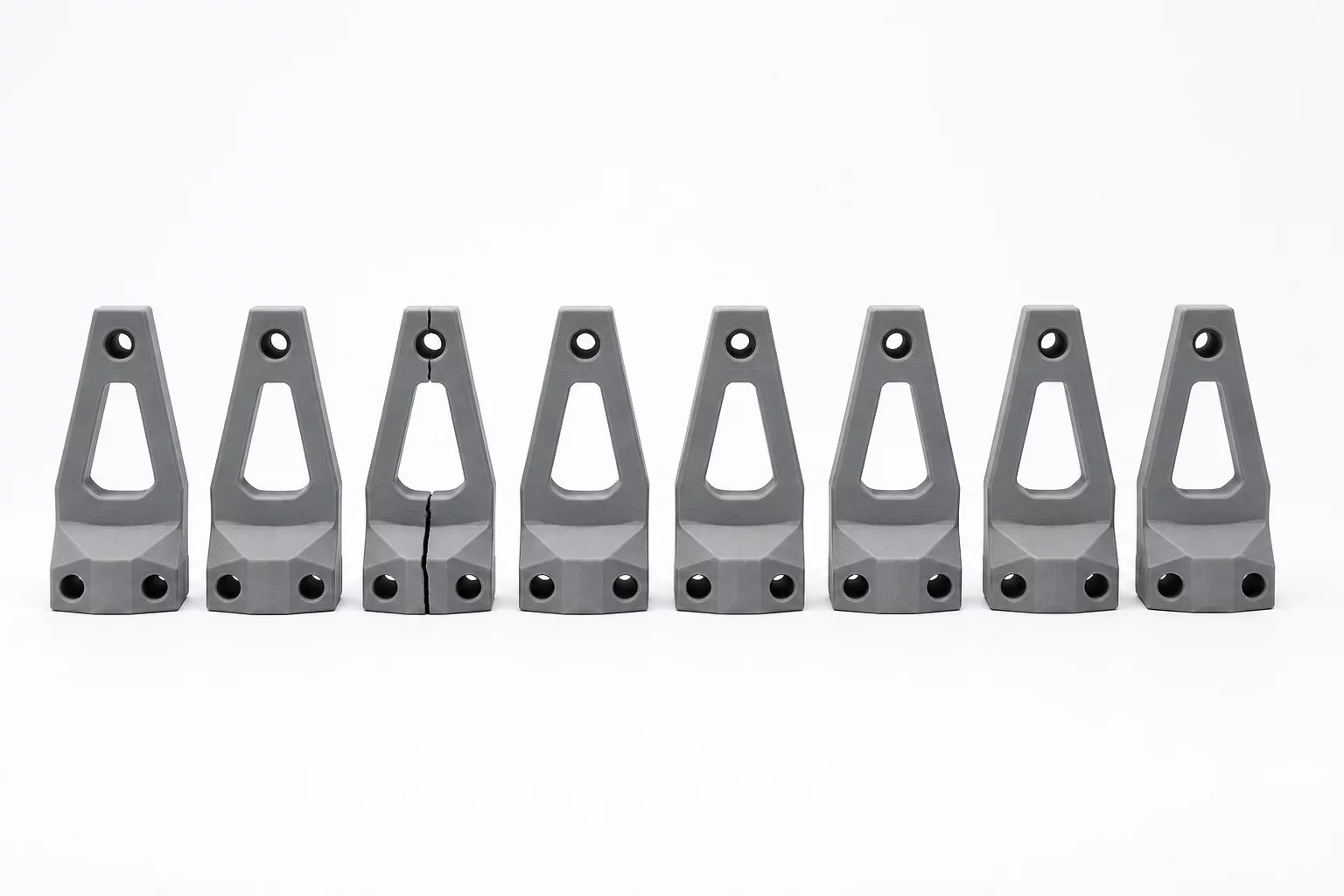
In a batch of eight parts, seven show a consistent result while one part differs noticeably. The key question is whether the variation is normal for a small run or a signal of a process problem.
Confirm whether only one sample is affected or if the pattern repeats.
Verify fit, load behavior, and intended use performance.
Check previous runs for the same condition and location.
Decide if extra evidence is required before final acceptance.
Assess whether the outlier changes pass/hold outcome.
Define if the outlier needs its own exception record.
Is an n=8 sample size sufficient to confirm batch consistency, or is additional sampling required to validate the outlier status?
Should the 'one-off' defect trigger a full batch rejection or can the remaining seven parts be cleared for deployment?
Determining when a documented exception is acceptable versus when a process recalibration is mandatory.
Explore specialized archives of batch deviations and consistency analysis, categorized by systemic impact and repeatability patterns.
Analyze patterns that repeat across multiple parts in a single build, identifying systemic printer or slicer artifacts.
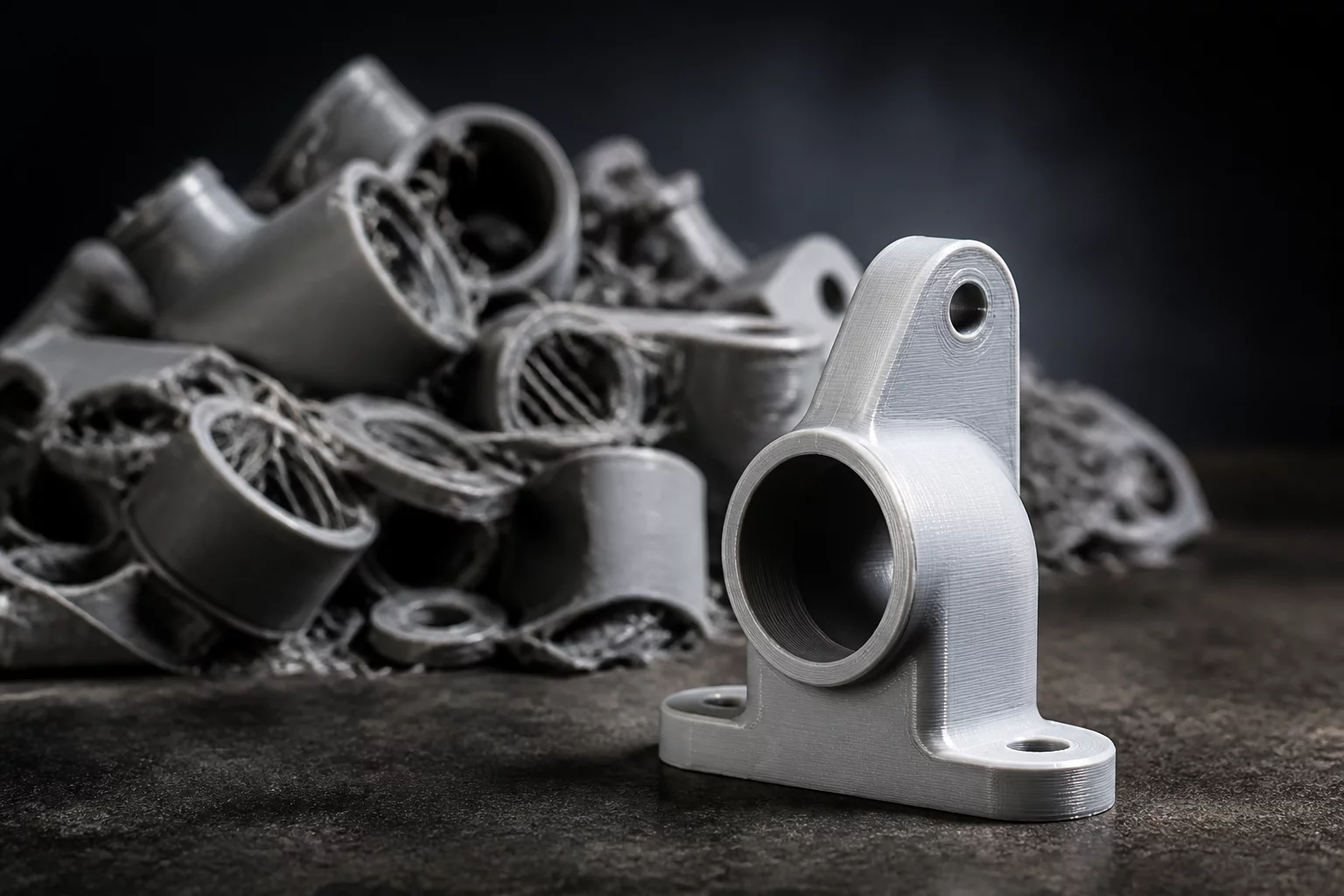
Focus on the outlier — a single part that failed while its identical neighbors succeeded under the same conditions.
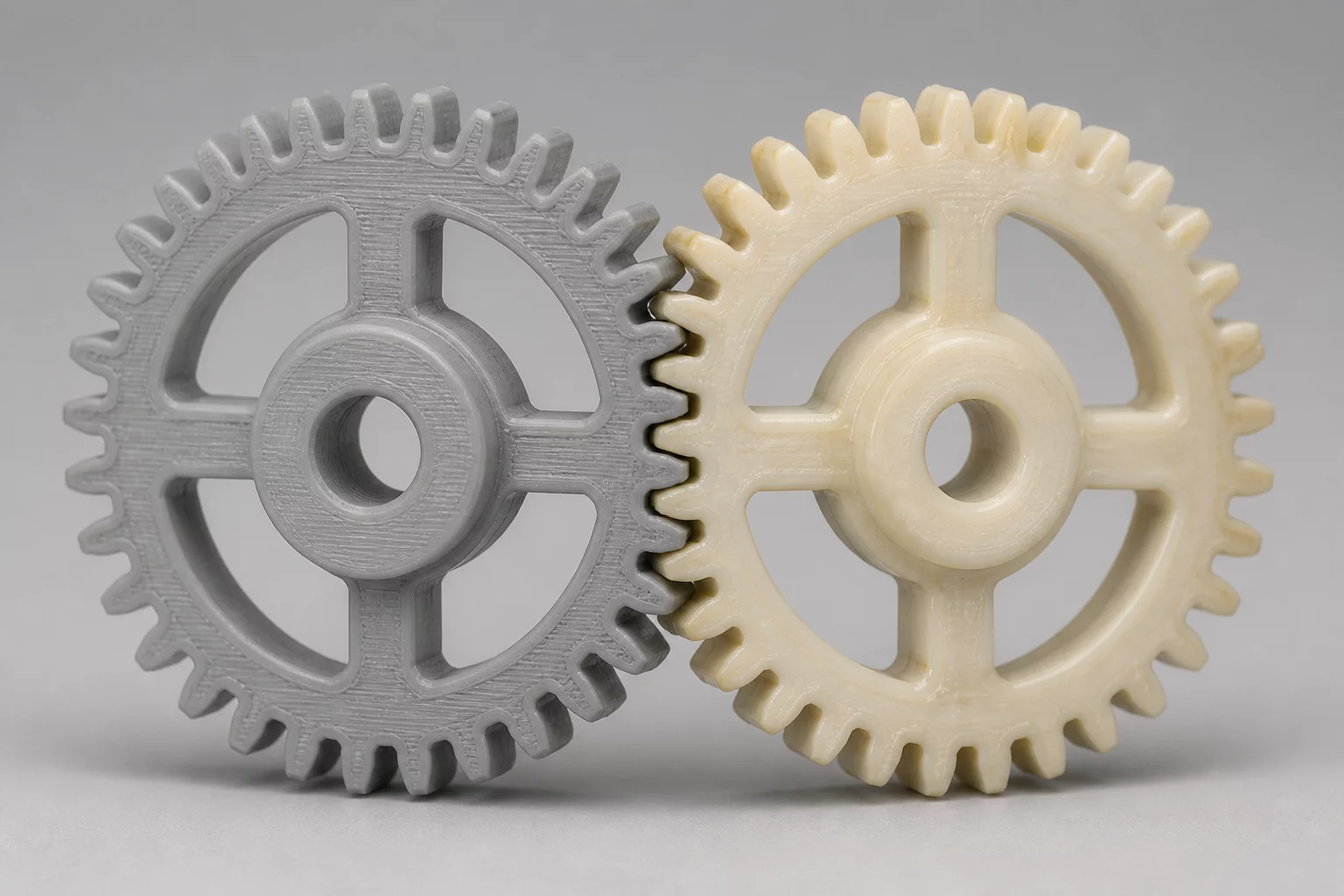
Cases where appearance varies but mechanical function remains stable across the entire batch production.
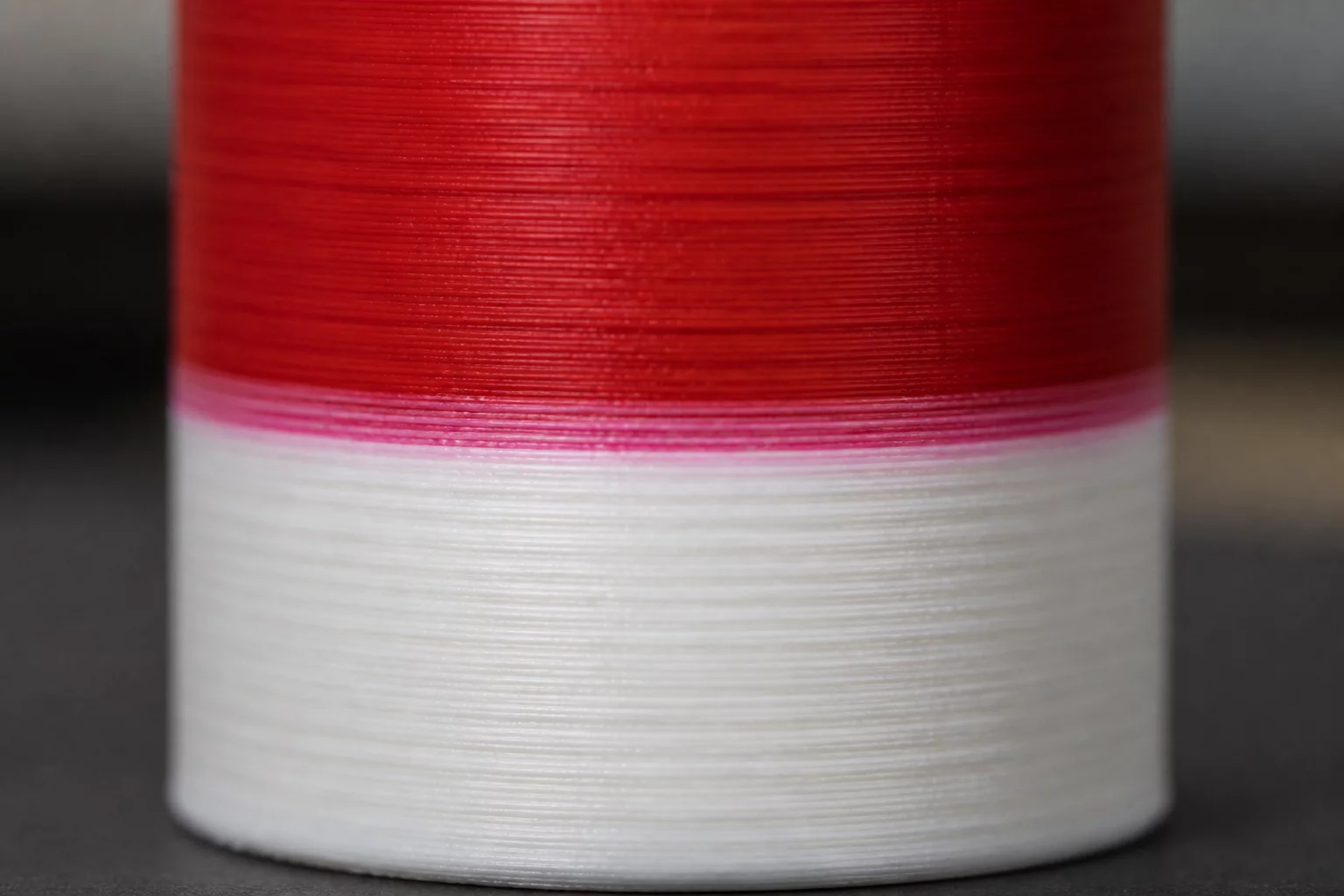
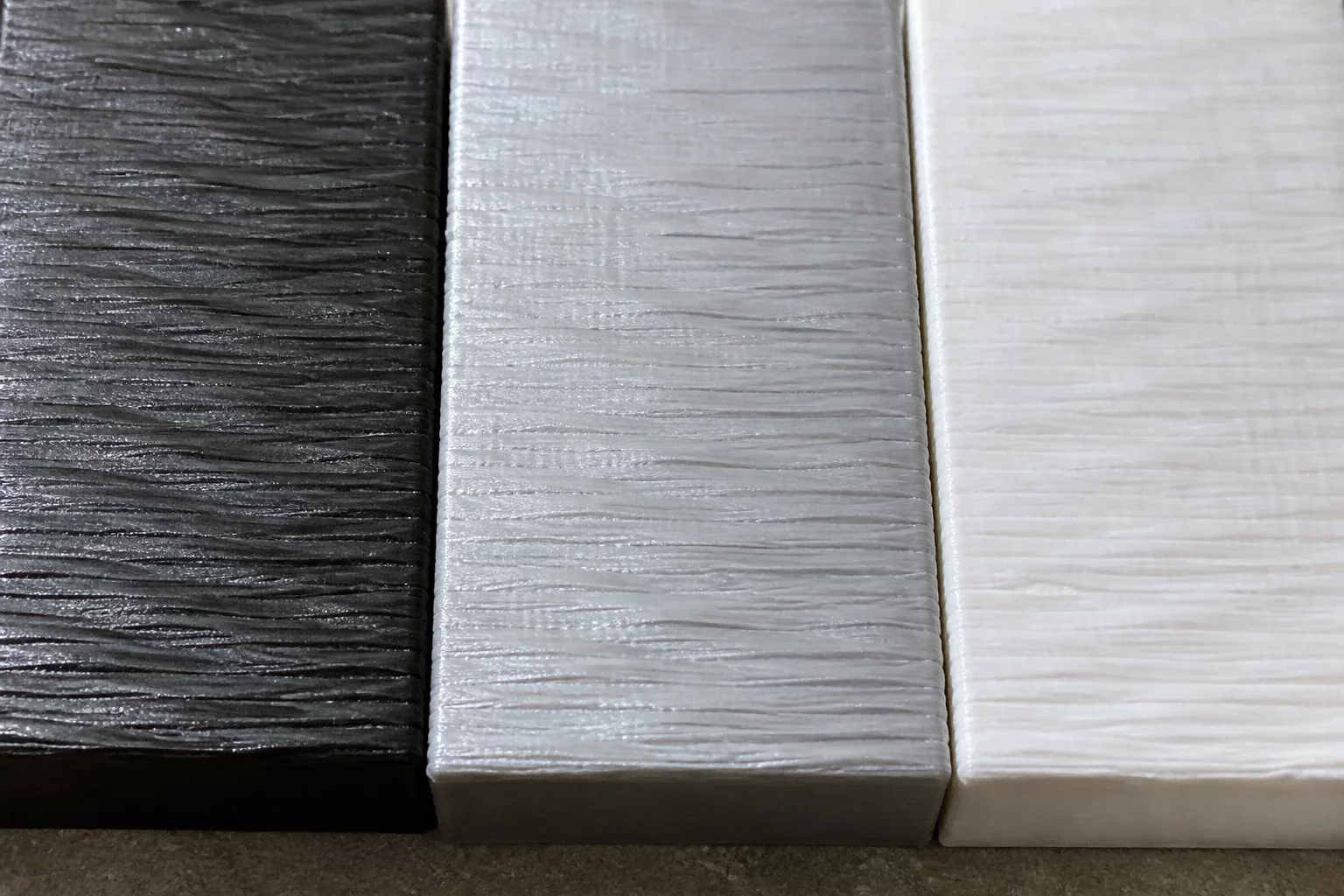
Investigating visual results that vary, such as ringing or layer artifacts, while dimensional accuracy remains identical.
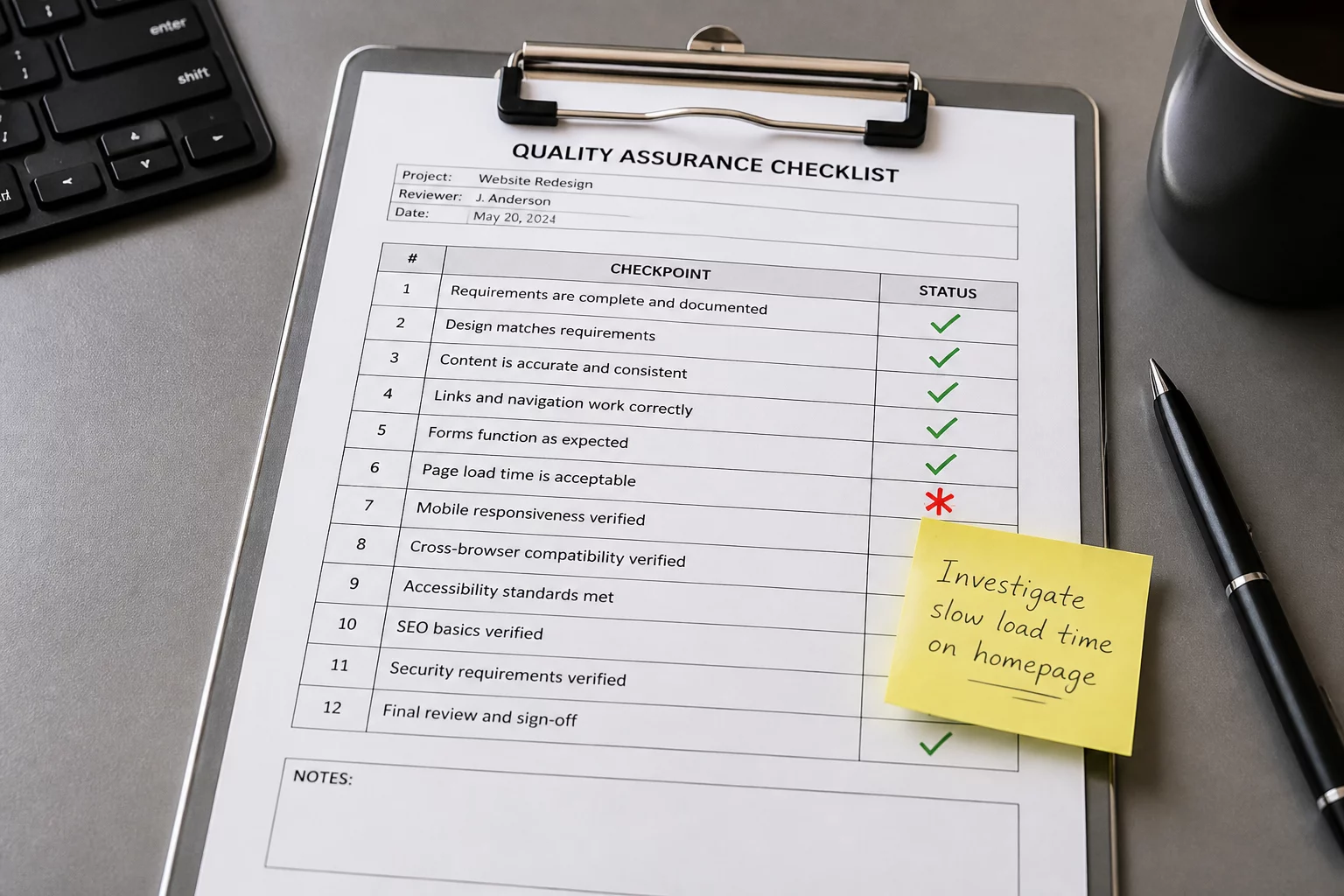
Determining how many parts are enough for inspection to ensure batch reliability without excessive overhead.
Gain full access to the BatchSignal Case Journal, deviation database, and serial consistency analysis reports.
Essential insights for individual engineers and small teams.
Comprehensive tools for professional quality assurance teams.
Full-scale integration for industrial production and large fleets.
Consistency is the foundation of serial production. Before committing to a manufacturing partner, use this technical audit to verify their quality control protocols and ensure they prioritize repeatable results.
Fluctuations in chamber temperature can lead to internal stress and warping. Ask for logs of thermal monitoring during the specific build hours.
Batch consistency starts with the raw material. Verify how they document filament or powder lot numbers and moisture content before every run.
Surface defects often repeat across a batch due to slicer errors or nozzle wear. Inquire about their system for detecting layer-shift patterns.
If one part fails but the others look 'fine', the whole batch might be compromised. Ask how they identify the root cause of single-part failures.
A professional contractor should print witness coupons or calibration blocks alongside your parts to verify dimensional accuracy for every run.
Bead blasting or chemical smoothing can hide defects or change dimensions. Ask for a comparison of pre- and post-processing measurements.
Learn about our full BatchSignal Control Methodology for standardizing serial additive manufacturing results.
Get an instant preliminary estimate for auditing your additive manufacturing batch. Our analysis focuses on identifying recurring patterns and deviations across multiple serial parts to ensure high-grade repeatability.
At BatchSignal, we understand that precision in additive manufacturing doesn't end with the audit. Our dedicated team provides comprehensive post-audit support to help you interpret deviations and maintain long-term production consistency. Whether you are dealing with a single outlier or a recurring batch pattern, our experts are here to assist.
Deep-dive technical reviews of your batch consistency reports to identify the root cause of deviations.
Assistance in updating your internal control methodologies based on recent batch findings.
Specific questions regarding material variation across serial batches and production series.
Guidance for engineering teams on how to document and categorize new deviations.