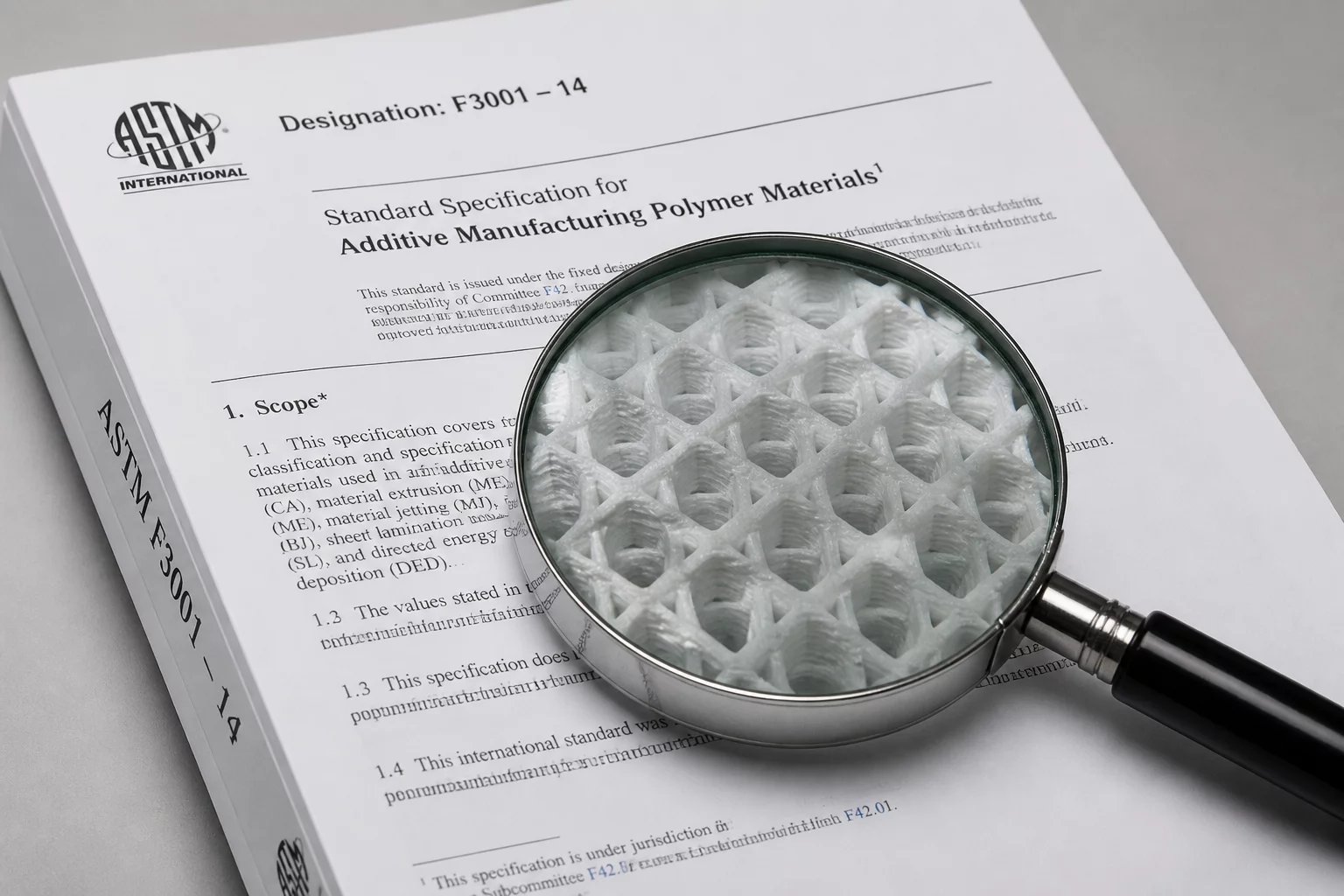
The release of ISO ASTM 52948 in 2026 marks a pivotal shift in how engineering teams approach small-batch consistency in metal additive manufacturing. Previously, standards focused heavily on individual part qualification, often ignoring the subtle drift that occurs across an entire production run. This new publication addresses these gaps by establishing rigorous metrics for batch-level repeatability. For teams using advanced slicers or industrial metal systems, understanding these new guidelines is no longer optional; it is the foundation of modern quality assurance.
Technical Observation Summary
Our technical audit of the standard highlights the emphasis on inter-batch signal analysis. This method moves beyond simple visual inspections and requires a statistical comparison of surface topography and functional tolerances across multiple series. The documentation specifically outlines how to differentiate between normal process noise and actionable defects that indicate machine calibration drift. By observing these patterns, teams can catch failures before they propagate through a high-volume manufacturing cycle.
Unique Evidence Frame #22: Iso Astm 52948 2026 Standard Publication
- Establishment of a standardized Baseline Consistency Index for powder bed fusion processes.
- Defined protocols for non-destructive surface variation monitoring in multi-part builds.
- New mandatory reporting requirements for thermal deviation logs during serial production.
Implementing these standards requires a shift in mindset. Instead of looking for a single perfect part, quality control teams must now analyze the entire distribution of results. The 2026 update provides the mathematical framework to determine when a batch should be approved or flagged for further investigation. While the technical barrier for compliance has increased, the resulting reliability in serial production offers a significant competitive advantage for manufacturers who rely on zero-defect outputs.
Case Discussion (0)
No comments yet. Be the first to leave a technical observation.
Leave a technical response