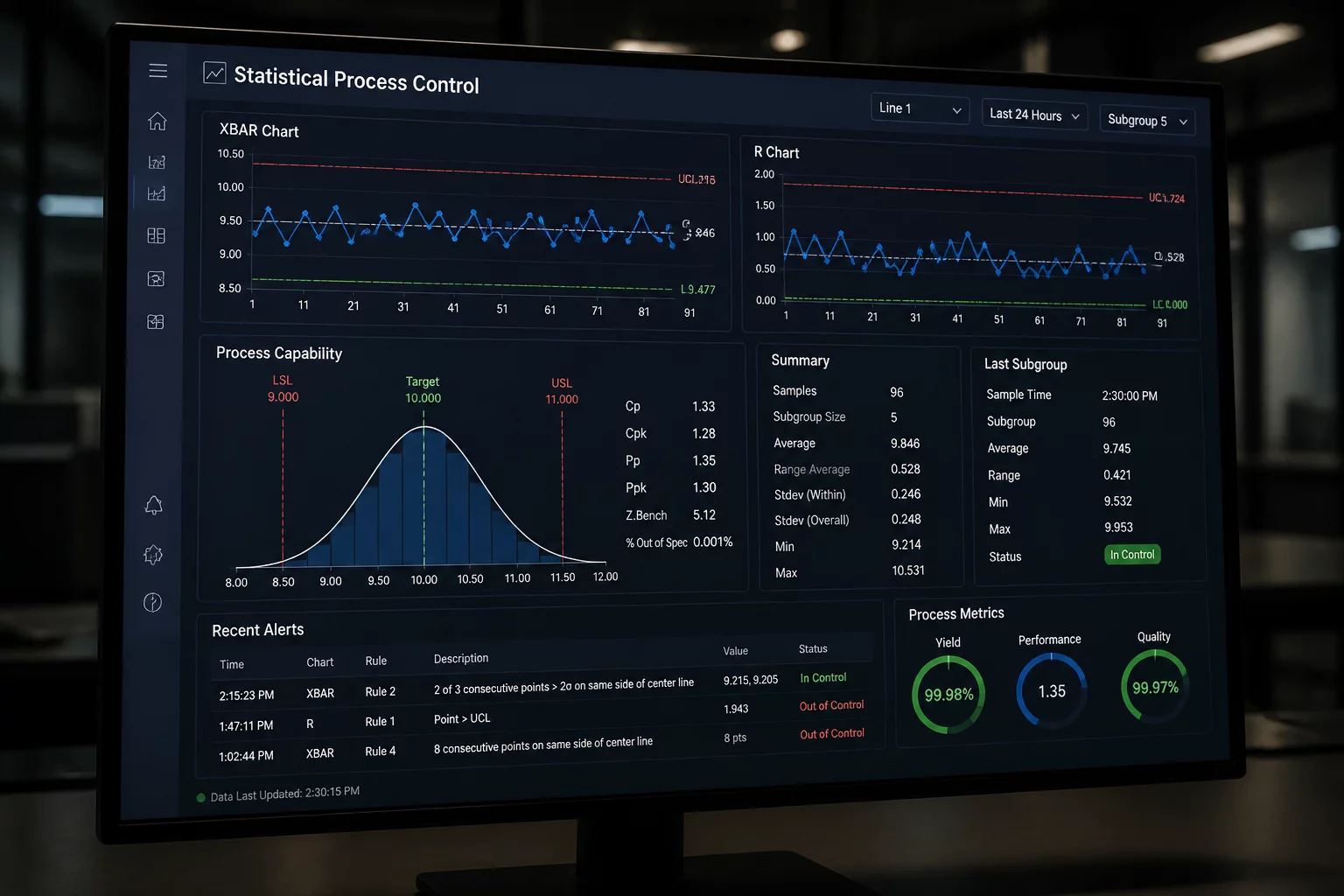
High-volume additive manufacturing (AM) presents a unique challenge for quality assurance teams. Unlike small prototyping runs, serial production requires a shift from individual part inspection to statistical batch analysis. We must determine the baseline of acceptable noise within a series to distinguish it from systemic errors. By examining the patterns across a full production build, engineers can identify drift in machine parameters before parts fail functional requirements.
Technical Observation Summary
During our recent analysis of a 500-part run, we observed that surface roughness and dimensional accuracy followed a predictable Gaussian distribution, but only when machine maintenance was strictly synchronized with the build start. The data suggests that thermal fluctuations at the edges of the build plate contribute significantly to batch variance. Identifying these spatial correlations is the first step toward achieving aerospace-grade consistency in consumer-scale production.
Unique Evidence Frame #19: Batch Consistency Metrics In High Volume Am
- Standard Deviation of Z-Axis Height < 0.05mm across 98% of the batch.
- Surface Roughness (Ra) variance within ±0.8 microns in centralized build zones.
- Inter-batch repeatability score of 94.2% using Cp/Cpk process capability indices.
Moving forward, the implementation of real-time monitoring sensors will allow for even tighter control loops. The goal isn't just to catch a bad part, but to understand why that part deviated from its neighbors. This approach transforms quality control from a gatekeeper role into a proactive engineering tool that drives continuous improvement in machine utilization and material efficiency.
Case Discussion (0)
No comments yet. Be the first to leave a comment about these metrics.
Leave a technical response