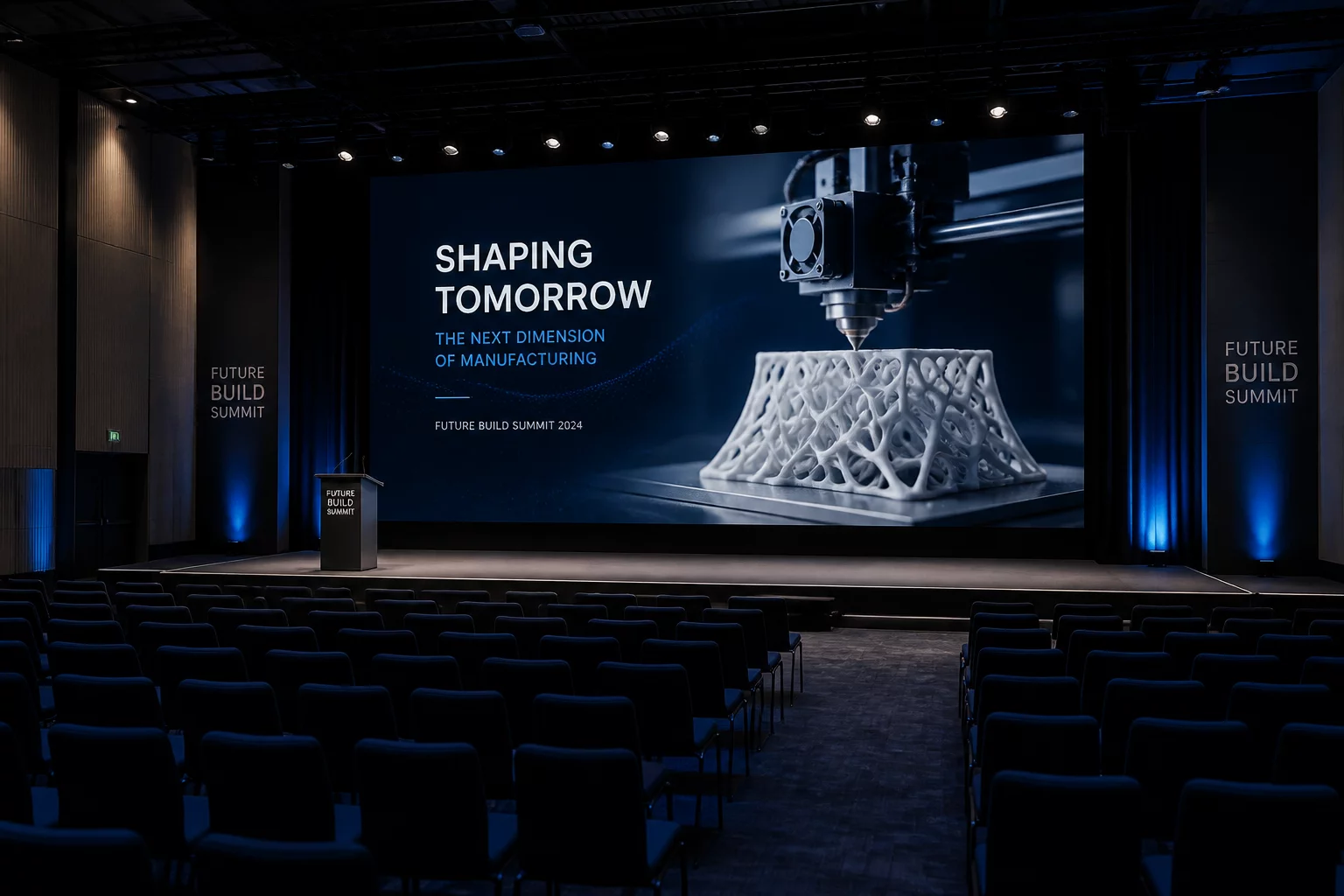
The AM Strategies 2026 conference recently concluded, leaving the additive manufacturing community with a wealth of data regarding the shift from prototyping to serial production. Engineers and quality assurance professionals gathered to discuss the most pressing hurdle in industrial scaling: the "consistency gap." While single-part success is common, maintaining that same level of precision across a series of five hundred or five thousand units remains a complex challenge. The discussions highlighted that the industry is moving away from purely machine-focused metrics and toward a holistic view of the batch as a single statistical entity.
Technical Observation Summary
During the technical sessions, a recurring theme emerged concerning the hidden variables that disrupt batch stability. Speakers from leading aerospace and medical firms presented data showing that even minor deviations in powder feedstock recycling or ambient humidity within the build chamber can cascade into significant mechanical variations. The consensus was clear: quality control is no longer just about checking the final part; it is about monitoring the entire environmental and material lifecycle during the build process to identify signals of deviation before they manifest as failed components.
Unique Evidence Frame #16: Am Strategies 2026 Conference Insights
- 14% reduction in cross-batch tensile strength variance when using real-time atmospheric monitoring.
- Standardization of ISO/ASTM 52948 protocols for identifying recurring surface pattern anomalies.
- Implementation of AI-driven "batch-signature" detection for early outlier removal.
Looking forward to the second half of 2026, the focus will likely shift toward interoperability between different machine brands within the same production line. Achieving cross-platform consistency is the next frontier. As we analyze the insights from the conference, it becomes evident that the teams who prioritize statistical process control over individual part inspection are the ones successfully scaling their operations. The shift toward a pattern-based observation methodology is not just a preference—it is a requirement for anyone serious about high-volume additive manufacturing.
Case Discussion (0)
No comments yet. Be the first to leave a comment.
Leave a technical response