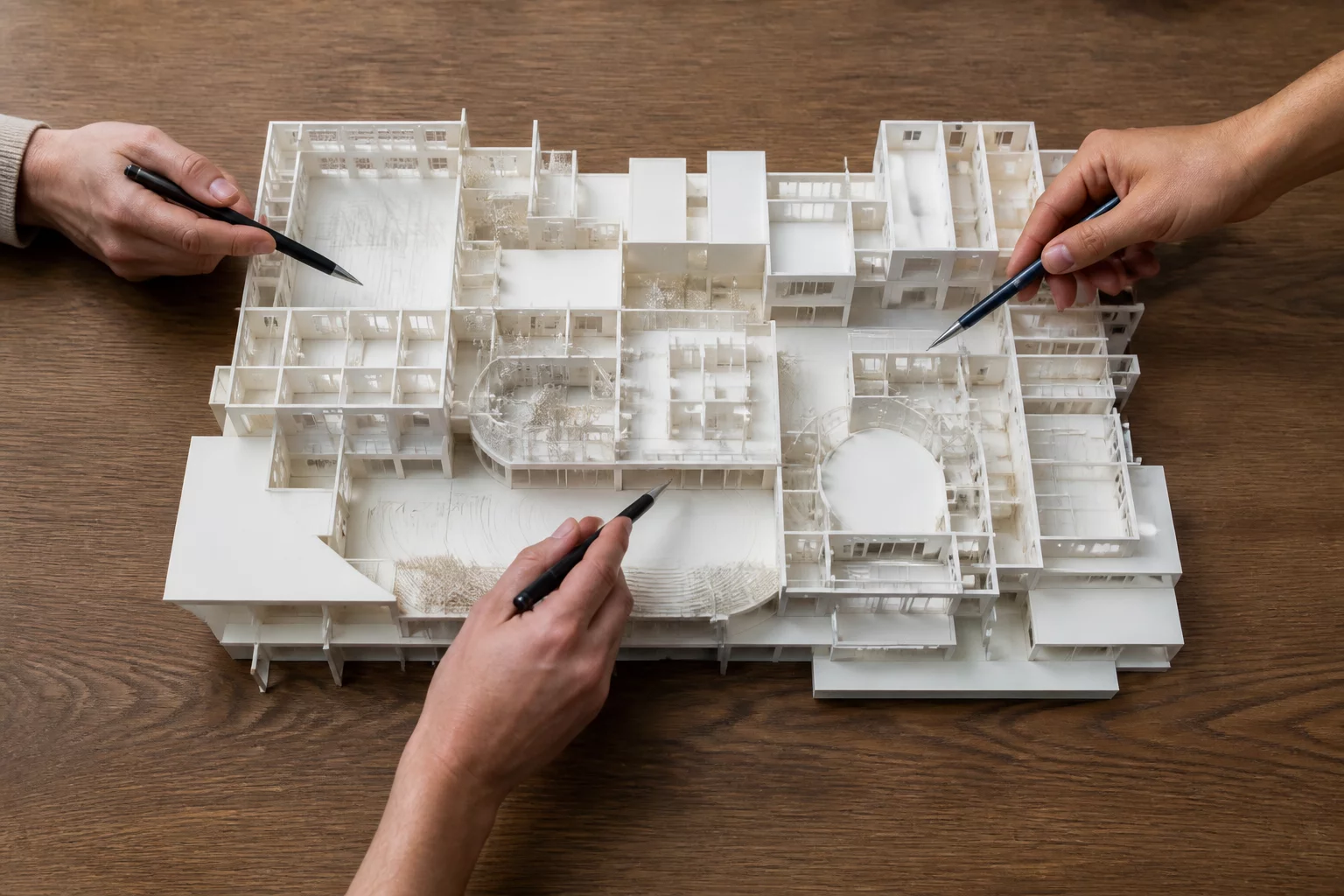
In the precise landscape of additive manufacturing, we often operate under the assumption that a quality defect is an objective reality that any trained eye should detect. However, a recent evaluation of a complex mechanical housing prototype demonstrated how human subjectivity can interfere with batch consistency. During an audit, three experienced quality engineers were asked to independently review the same printed component. The resulting reports highlighted a significant lack of overlap, as each reviewer prioritized a completely different set of surface and structural anomalies.
Technical Observation Summary
The root of the discrepancy was found in the varying methodologies and environmental factors surrounding each inspection. Reviewer A focused on tactile feedback, noting slight ridges along the Z-axis that indicated intermittent resonance. Reviewer B relied strictly on metrology tools, marking the part as a failure due to a 0.15mm deviation in a non-critical diameter. Meanwhile, Reviewer C utilized specific high-angle lighting to identify a 'moiré' effect in the top-layer infill that was invisible under standard laboratory lighting. It became clear that without a unified inspection checklist, a 'passing' grade is largely dependent on which specific engineer is conducting the review.
Unique Evidence Frame #8: Three Reviewers Saw Different Patterns
- Inter-rater reliability score of only 62% across primary defect categories.
- Lighting conditions varied from 300 to 1200 lux during individual reviews.
- Inspection time per part ranged from 45 seconds to 6 minutes per station.
To rectify these inconsistencies, our team moved to implement a machine-vision baseline that removes the human element from the initial triage. By digitizing the surface scans and applying an automated threshold for acceptable deviation, the subjectivity was essentially eliminated. This case reinforces the idea that for small-batch consistency to be truly repeatable, the criteria for acceptance must be independent of individual perception. We now recommend a strictly controlled environment—featuring standardized lighting, pre-defined measurement points, and timed inspection windows—to ensure that what one person identifies as a defect, others can replicate and confirm.
Case Discussion (0)
No comments yet. Be the first to leave a technical observation on this case.
Leave a technical response