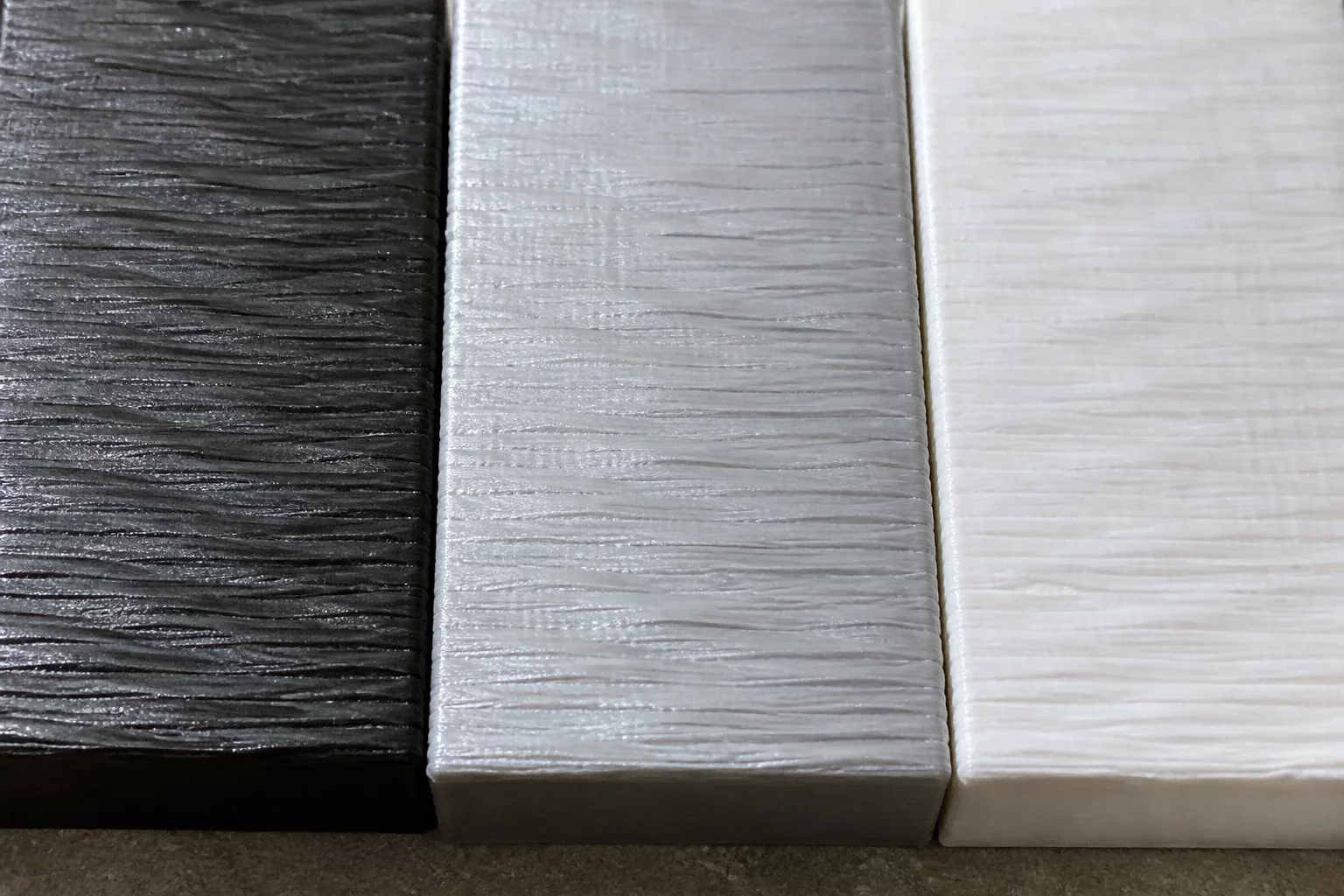
During a comprehensive production run of twenty-four structural polymer components, a distinct and repeating ripple pattern was observed on the top surface layers of every single unit. Unlike typical stochastic outliers that plague additive manufacturing, this uniformity suggested a systemic mechanical signature rather than a random slicing error. The pattern manifested as a series of fine, concentric waves spaced exactly 0.4mm apart, effectively mirroring the same geometry regardless of where the part was located on the high-temperature build plate.
Technical Observation Summary
The investigation initially focused on potential file corruption within the G-code, yet subsequent verification of the toolpath geometry revealed no mathematical flaws. The team transitioned to analyzing hardware dynamics, specifically looking at the Y-axis belt tension and stepper motor pulses. It was discovered that a harmonic vibration, likely amplified by the high-speed travel movements in Bambu Studio, was creating a resonance artifact. By observing the entire batch simultaneously, the team confirmed that this was not a localized defect but a consistent machine behavior that required firmware-level compensation.
Unique Evidence Frame #7: The Same Surface Pattern Appeared Across The Batch
- Systemic Uniformity: Surface variance across the 24-piece batch remained below 1.5%.
- Frequency Match: Textural oscillations were synchronized with the 12.5 Hz mechanical resonance frequency.
- Coordinate Stability: Artifacts were triggered only during X-Y diagonal transitions between layer 112 and 118.
Corrective protocols involved recalibrating the input shaper values and verifying the carbon rod cleanliness to eliminate friction-induced stutter. While the initial batch was ultimately approved for assembly due to the defect's cosmetic nature and lack of structural impact, the technical insight gained from the batch comparison was invaluable. If the QA team had only inspected a single random sample, they might have incorrectly identified the texture as a material-specific quirk rather than a diagnosable hardware calibration issue that could be resolved for future production cycles.
Case Discussion (2)
Steve L.
Senior Manufacturing Engineer
Surface patterns are always tricky to document accurately because lighting plays such a massive role. It is impressive that you caught this across the whole batch before shipping.
Leave a technical response